

Three tiny coastal enclaves on India’s west coast tell a different colonial story
Dadra & Nagar Haveli were handed to the Portuguese in 1783 as compensation for damage to one of their ships by the Maratha navy; Dadra itself was purchased in 1785. They remained in effective control until 1954. Nagar Haveli means “Mansion Town” (nagar, “city”; haveli, “mansion”), and a haveli in India is no ordinary house but a courtyard-centred, often ornate, family compound. Dadra’s origin is less clear, possibly linked to the Dhodia tribe or to dadra, a light classical vocal style.
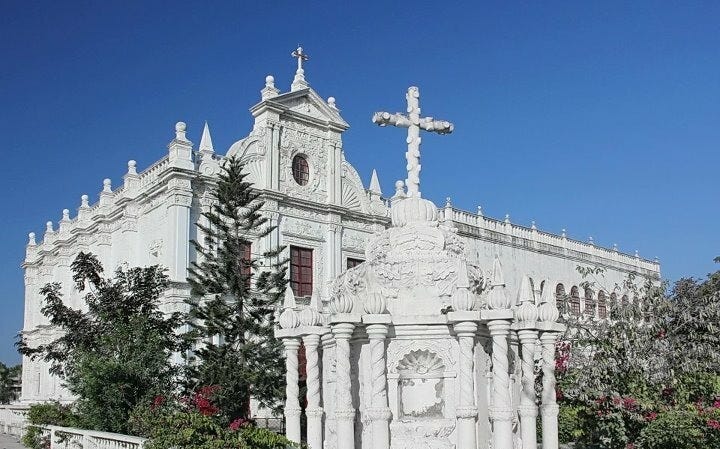
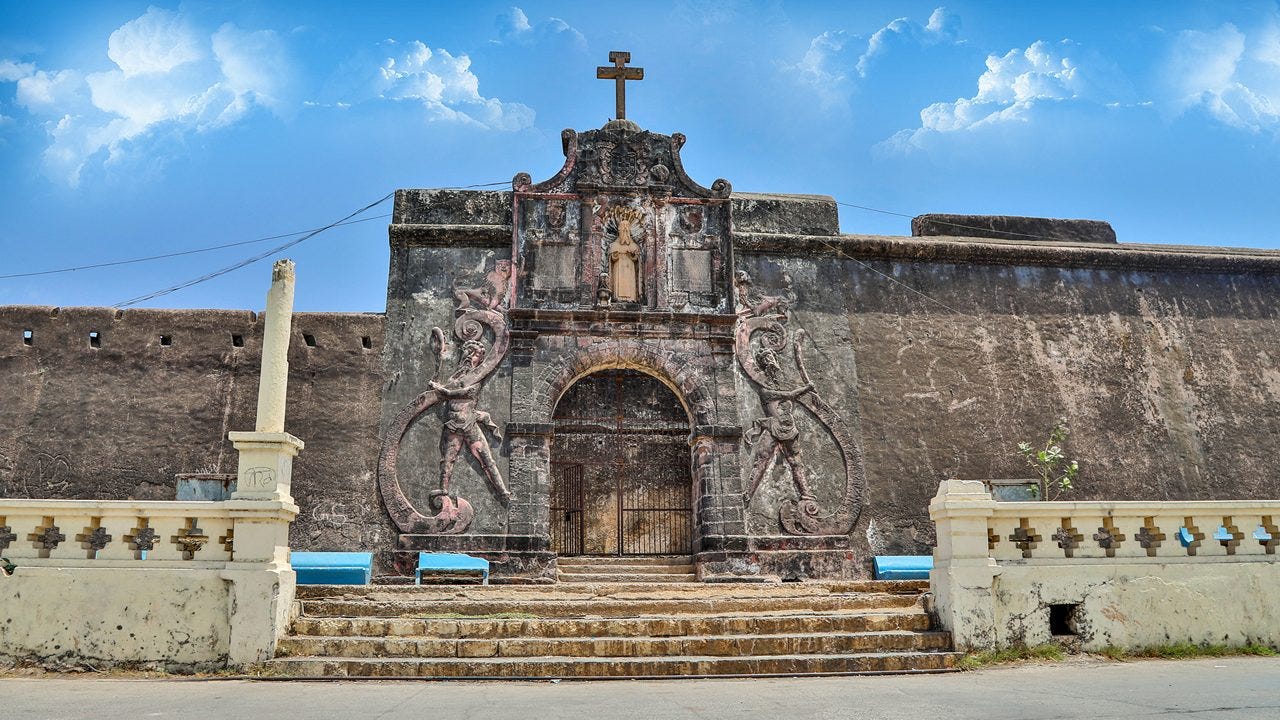
Daman & Diu, governed as part of Portuguese Goa from the 16th century until India reclaimed them in 1961, are smaller still – 112 square kilometres in total, separated by 600 km of sea. Daman sits at the mouth of the Daman Ganga, reputedly India’s most polluted river thanks to dye factories; one survey found mercury levels ninety times higher than World Health Organization guidelines. Diu comes from dvīpa, Sanskrit for “island.” Both were fortified ports, prized for their harbours rather than their size.
For more on Indian place names and history - see Place Names Wallah
For a journey through tribal India & Sri Lanka see - Headhunting with Marguerite